
2026-08-24 · Mike Ellison
Preparing Your Coral Springs Home for Hurricane Season Flood Risks
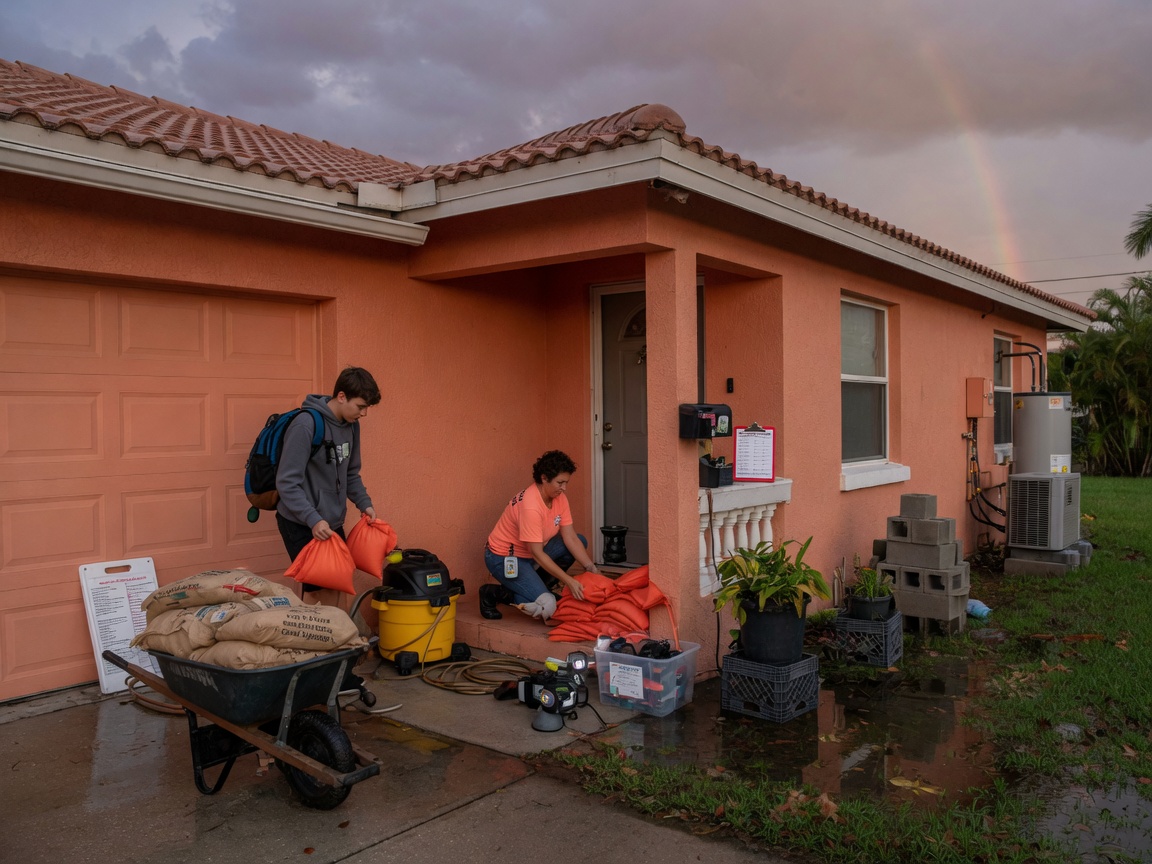
Coral Springs homes in neighborhoods such as Ramblewood and the Coral Springs Country Club face elevated flood risks during hurricane season because of the area's tropical monsoon climate and low-lying terrain near canals. Start by inspecting roof seals, grading soil away from foundations at a 6-inch drop over 10 feet, and clearing storm drains before June 1 to direct water flow during heavy downpours.
Checking Drainage and Grading Around Foundations
Flat lots common in Ramblewood and East Coral Springs allow water to pool against slab foundations when summer rains exceed 2 inches per hour. Walk the perimeter after each storm and look for low spots that hold water longer than 30 minutes. Add French drains or regrade soil in those zones to move water toward street gutters rather than crawl spaces. In nearby Parkland and Margate, similar soil conditions often require the same adjustments because the water table sits close to the surface year-round. Test downspout extensions to ensure they discharge at least 5 feet from walls. These steps cut the volume of water that reaches basements or slabs during a named storm.
Installing Temporary and Permanent Barriers
Windows and doors in single-family homes built before 2000 in Downtown Coral Springs frequently leak when wind-driven rain hits at 40 mph or higher. Install accordion shutters or plywood panels rated for 130 mph winds at least two weeks before peak season. For ground-level entries, deploy water-activated barriers that expand to 4 inches high along door thresholds. Check weep holes in brick veneer and clear debris so trapped water can escape rather than migrate into wall cavities. Residents near the Sawgrass Nature Center often add these barriers because canal-adjacent lots receive backflow during high tides combined with rainfall.
Preparing for Power Loss and Hidden Moisture
When hurricanes knock out electricity, humidity levels above 70 percent in warm Coral Springs winters allow moisture to linger inside walls for days. Stock battery-powered dehumidifiers and moisture meters to check drywall and subfloors within 24 hours of the storm passing. Move furniture and electronics at least 12 inches off floors in advance. Keep copies of insurance policies in a waterproof container so claims for Hurricane Storm Damage Restoration can start immediately. Homes in Village Green and Heritage Park benefit from these routines because older HVAC systems often fail first during outages.
Coordinating With Insurance and Professional Response
Document every pre-season improvement with dated photos to support claims under Florida homeowners policies. Review your policy for flood endorsements because standard coverage excludes rising water from canals that affect West Coral Springs. After a storm, contact flood damage restoration teams that operate 24 hours, 7 days a week for extraction before mold sets in at 48 hours. For deeper guidance on filing, read Navigating Florida Homeowners Insurance for Water Damage Claims and Handling Water Intrusion from Coral Springs Canal Overflows. These preparations keep damage contained and restoration timelines shorter when monsoon rains arrive.